
Table of Contents
1. The ROI Case for Email in 2026
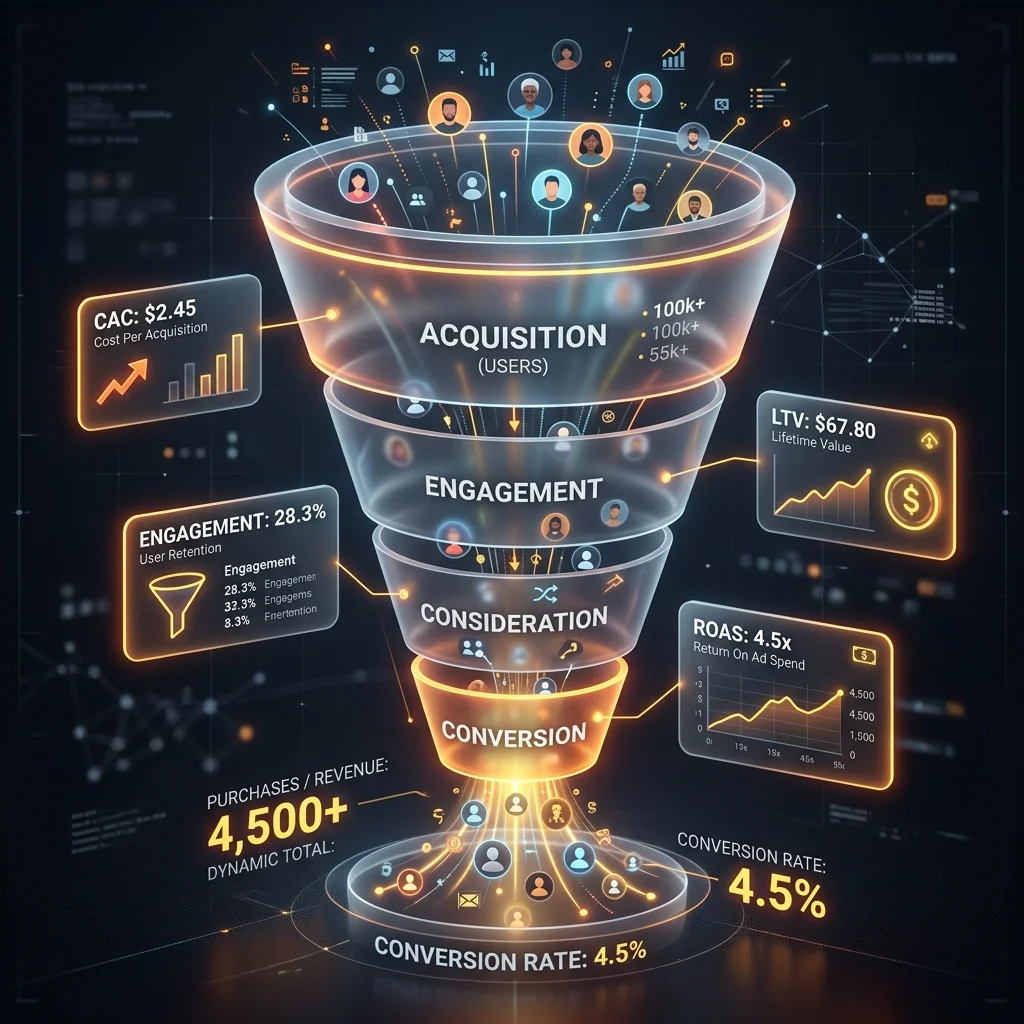
Email marketing consistently delivers the highest return on investment of any digital marketing channel. The industry-wide average is $36 returned for every $1 spent, and 73% of B2B marketers identify email as their most effective channel for reaching and converting prospects. These are not vanity metrics — they represent pipeline generated at a fraction of the cost of paid search or social advertising.
Even more compelling: 1 in 5 companies achieves a 70x ROI ($70 per $1 spent) on email. The differentiator between average and exceptional performers is automation. Businesses running sophisticated behaviour-triggered sequences are not getting luckier — they have built systems that convert subscribers consistently, at scale, without marginal cost per email.
2. Why Generic Newsletters Are Dying
The era of "send the same email to your entire list on Tuesday at 10am" is over. Average open rates for generic broadcast newsletters have declined year-over-year as subscriber inboxes have become competitive. In parallel, AI-powered email clients are increasingly filtering content based on predicted engagement — meaning low-engagement lists suppress your sender reputation and deliverability over time.
The 2026 standard is behavioural segmentation: subscribers receive emails triggered by their specific actions (visited pricing page, downloaded a resource, abandoned a form), not by a calendar schedule. Automated workflows built on behavioural triggers return up to 30x more revenue than equivalent broadcast campaigns sent to the same list size.
3. Building the Core Automation Stack
A high-performing email lead machine has three core sequences: a Welcome Series (3–5 emails over 7 days establishing value and expectation), a Nurture Sequence (8–12 emails over 30–45 days delivering educational content that builds trust and authority), and a Conversion Sequence (3–5 emails triggered by high-intent signals like pricing page visits or free trial starts).
Each sequence must be grounded in the subscriber's demonstrated interest. A subscriber who downloaded a guide on mobile app development should receive content about mobile app costs, case studies, and a CTA for a mobile strategy call — not generic agency content. The personalisation is the product.
4. List Quality Over List Size
A list of 1,000 highly engaged, properly segmented subscribers will consistently outperform a list of 10,000 generic contacts. Deliverability — the percentage of emails that actually reach the primary inbox — is determined by engagement metrics: open rates, click rates, and the absence of spam complaints and unsubscribes. Sending to disengaged contacts damages your sender reputation for all future sends.
Invest in list hygiene: remove subscribers who have not engaged in 90 days after a re-engagement sequence, use double opt-in to ensure intent, and monitor your domain reputation via Google Postmaster Tools. Our digital marketing team builds end-to-end email automation systems. For related strategy, read our guide on local SEO to diversify your organic lead channels.
Transform your business today.
Reach out to our experts and discover how custom software can accelerate your growth.


