
Table of Contents
1. Why Technical SEO is the Foundation of All SEO Investment
You can create exceptional content, earn high-quality backlinks, and optimise every meta tag — and still rank poorly if your website has fundamental technical barriers that prevent search engines from crawling, indexing, or properly interpreting your pages. Technical SEO is the prerequisite that makes all other SEO investment productive.
Users form an opinion of a website in 0.05 seconds, with 94% of first impressions driven by design and performance. If your page loads slowly or renders poorly on mobile, users leave before your content has a chance to convert them — and Google's CrUX ranking system registers that abandonment as a quality signal that directly suppresses your ranking.
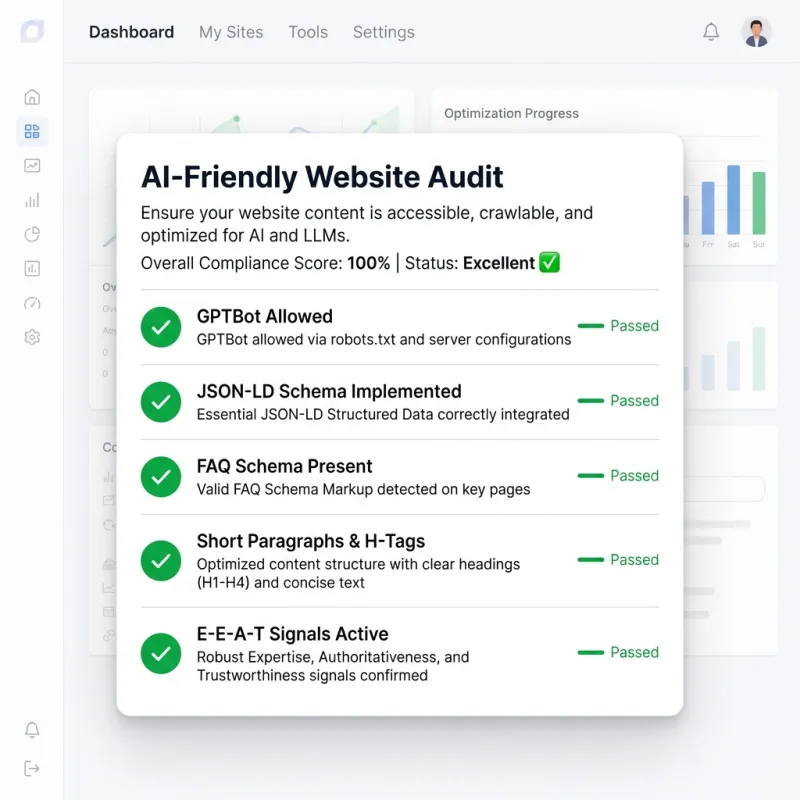
2. Crawl Budget: The Silent Killer of Large Site Rankings
Every website is allocated a finite crawl budget — the number of pages Googlebot will crawl within a given time window. For small sites (under 1,000 pages), crawl budget is rarely a constraint. For larger sites, particularly e-commerce catalogues with faceted navigation, crawl budget waste is endemic: up to 30% of large e-commerce site pages are wasted crawl resources consumed by duplicate filtered URLs, session IDs, and low-value pagination pages.
When Googlebot wastes its budget on low-value URLs, your important product and category pages may be crawled less frequently — meaning new content takes longer to rank and updates take longer to be reflected in search results. A crawl audit identifies and resolves these waste patterns via robots.txt directives, canonical tags, and URL parameter handling configurations in Google Search Console.
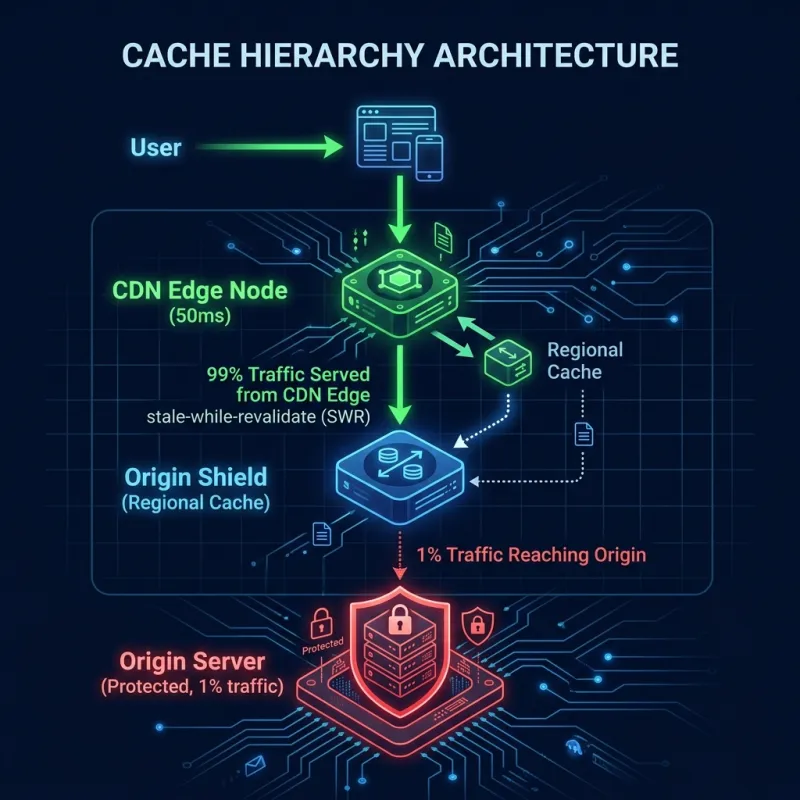
3. Mobile Usability and Core Web Vitals: Direct Ranking Factors
Google's ranking system is mobile-first: your site is indexed and ranked based on its mobile version, not desktop. If 53% of mobile users abandon a page that takes more than 3 seconds to load, and Google observes this abandonment via CrUX data, your mobile performance directly influences your ranking position for every keyword you target.
Core Web Vitals — LCP (loading), INP (interactivity), and CLS (visual stability) — are confirmed Google ranking signals. Pages in the "Poor" category for any metric carry a measurable ranking disadvantage compared to competitors in the "Good" category. A technical audit identifies which page templates are underperforming and provides a prioritised remediation roadmap based on traffic impact.
4. Structured Data: Your Fast-Track to Rich Results
Schema.org structured data markup tells search engines exactly what your content means — not just what it says. Properly implemented FAQPage schema can earn your content an expandable FAQ accordion in search results, dramatically increasing click-through rate without improving ranking position. HowTo schema earns step-by-step carousels. Product schema enables price, availability, and review stars in results.
A technical audit validates your existing structured data against Google's current rich result specifications, identifies validation errors that prevent rich result eligibility, and recommends additional schema types relevant to your content. Our digital marketing team delivers comprehensive technical audits with prioritised implementation roadmaps. This pairs directly with our CRO-first redesign guide for a complete site performance overhaul.
Is your architecture scaling?
Get a comprehensive Technical Architecture Audit to uncover hidden bottlenecks before they crash your system.


