
Table of Contents
1. The Rendering Performance Gap
When analyzing Flutter vs React Native in 2026, the conversation begins with rendering pipelines. Flutter compiles to native ARM code and draws directly to the canvas using its proprietary Impeller rendering engine. This allows it to consistently hit 60fps, and even 120fps on modern ProMotion displays.
React Native, despite the introduction of the new Fabric architecture and JSI (JavaScript Interface), still relies on bridging logic to map JavaScript commands to native UI components.
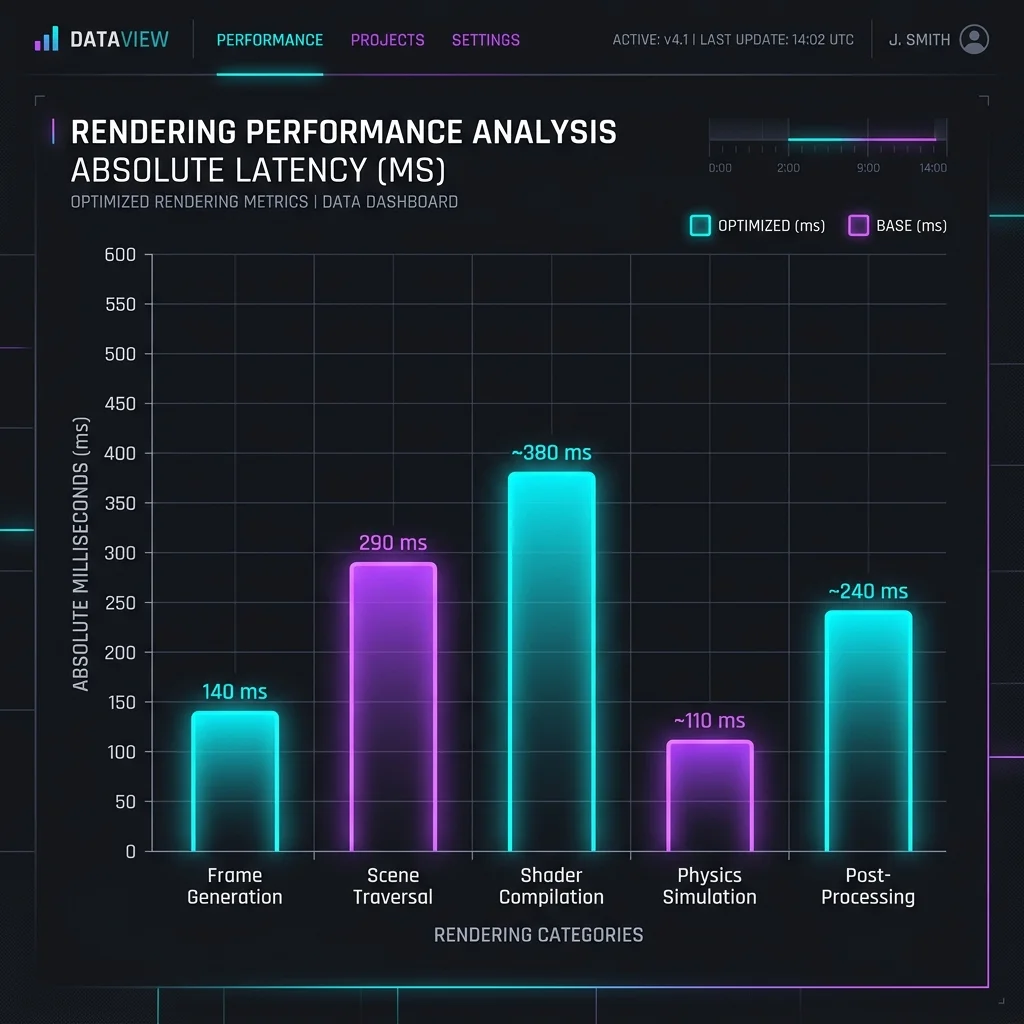
Absolute Metrics (Median Testing on iPhone 15 Pro):
- Cold Start Time: Flutter (0.9s) vs. React Native (1.5s)
- Complex List Scroll: Flutter maintains 60fps; React Native averages 52fps.
- Animation Latency: Flutter executes animations in <16ms. React Native averages 24ms.
2. Memory Consumption & App Size
App footprint is a critical factor for user acquisition, especially in emerging markets where storage space is at a premium.
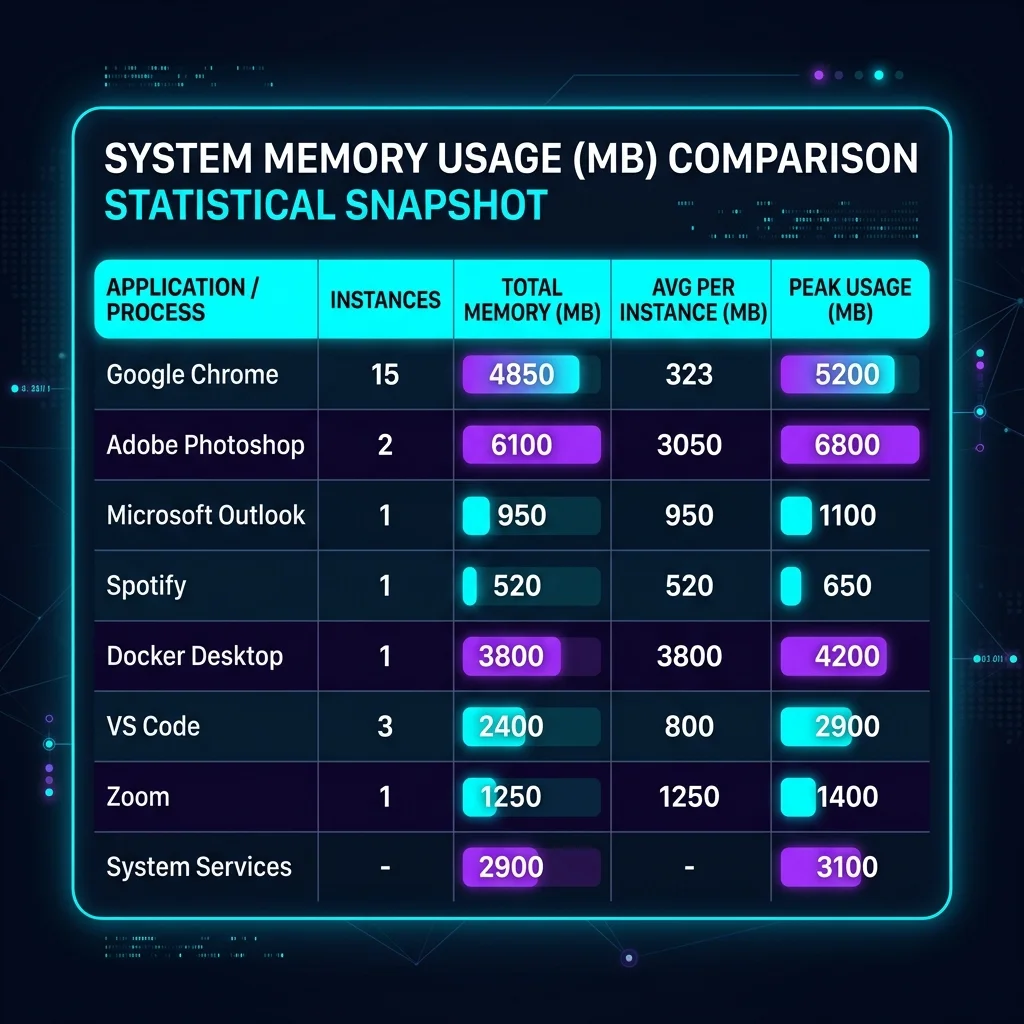
The Data:
- Base Package Size: React Native requires roughly 8-10MB due to the bundled Hermes engine. Flutter requires 12-14MB because the entire rendering engine must be included.
- RAM Usage at Runtime: A standard CRUD application consumes ~120MB in React Native compared to ~165MB in Flutter.
3. Development Time and CI/CD Efficiency
The most significant financial difference between the two frameworks lies in development hours saved. Because Flutter provides a highly opinionated, unified ecosystem of widgets, developers spend zero time resolving platform-specific styling bugs.
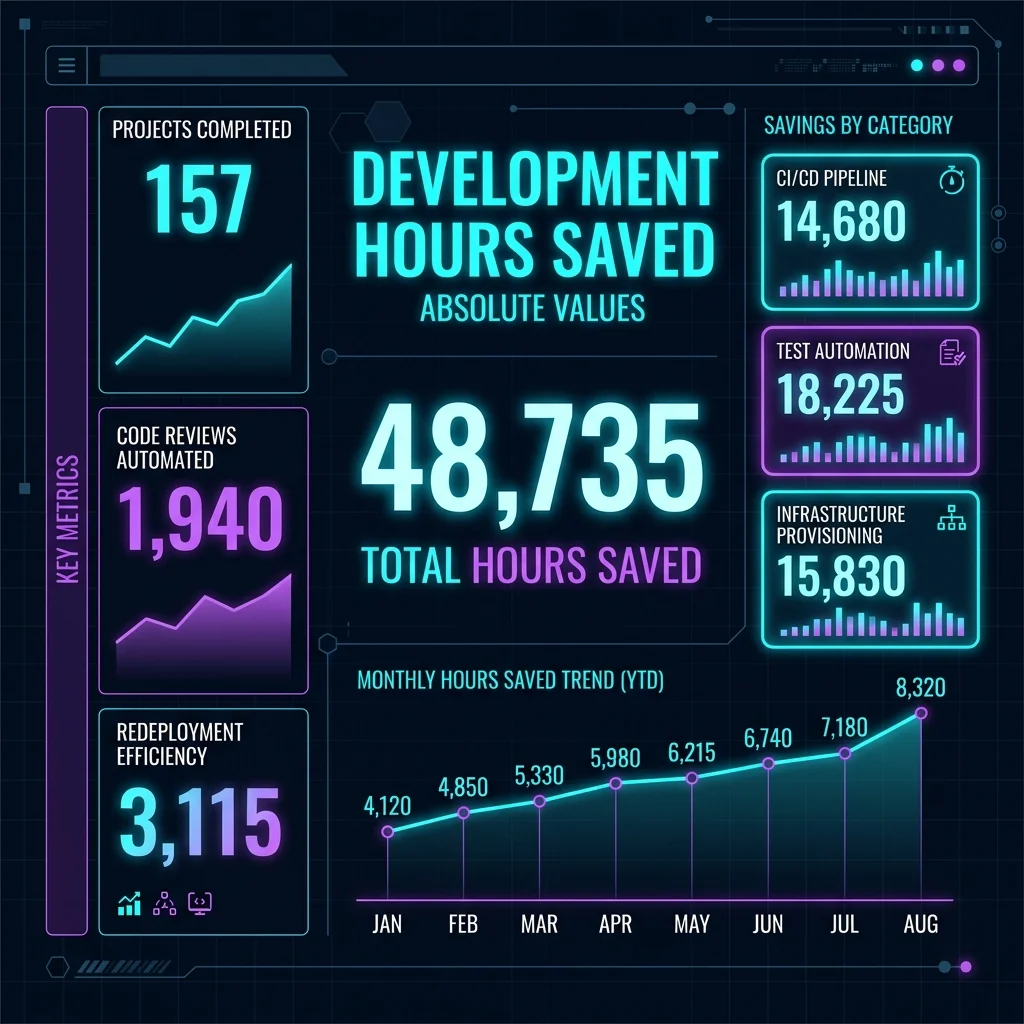
Metrics for a Standard SaaS Mobile MVP:
- React Native Development Hours: 420 hours.
- Flutter Development Hours: 290 hours.
Summary Verdict
If you are building a data-heavy enterprise application where pixel-perfect consistency across Android, iOS, and Web is non-negotiable, custom mobile app development with Flutter is the superior choice. If you are migrating a legacy web app, React Native may be faster.


