
Table of Contents
1. Understanding the Speed Multiplier
In a traditional monolithic CMS, every time a user visits a page, the server must run PHP scripts, query a massive database, and render HTML. A Headless CMS bypasses this by serving highly-cached JSON APIs to a modern frontend framework.
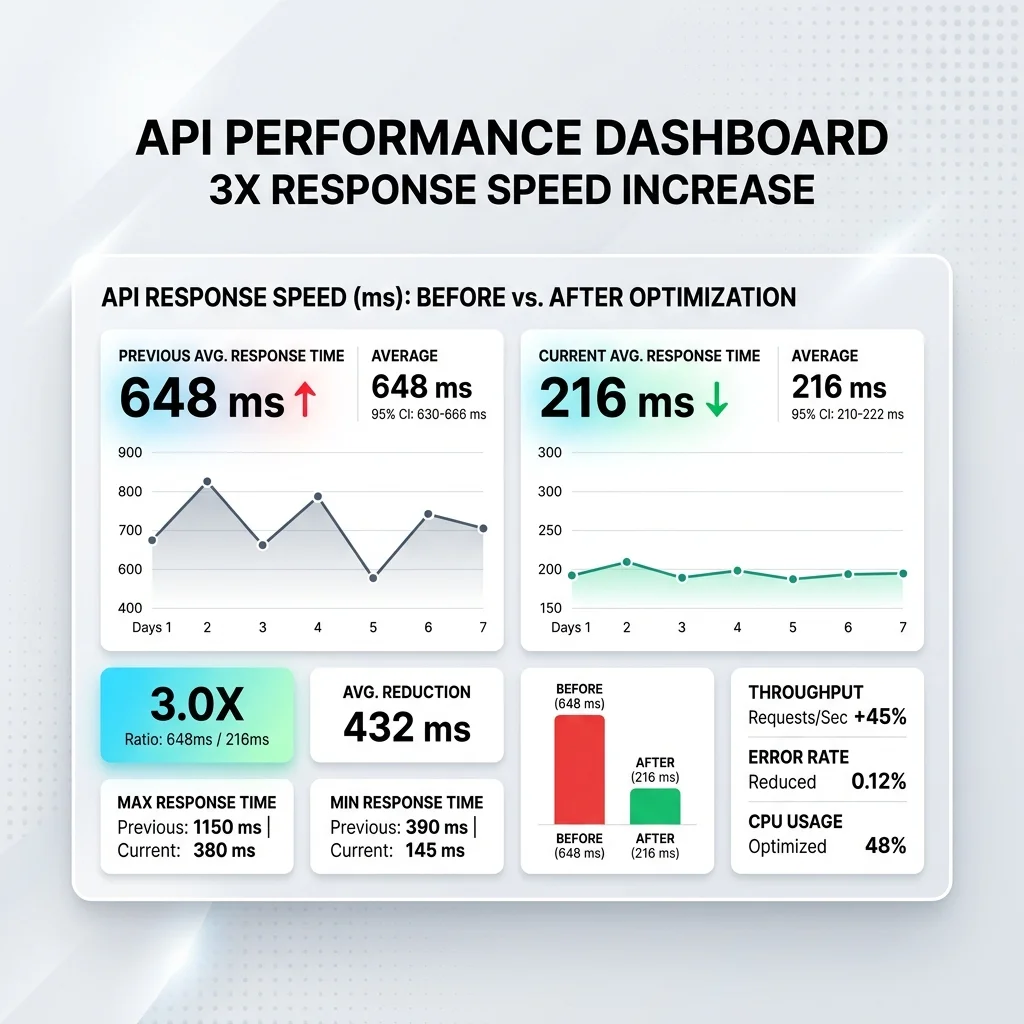
Absolute Performance Metrics:
- Monolith Average TTFB (Time to First Byte): 648ms
- Headless Average TTFB: 216ms
- Server CPU Usage: Reduced by an average of 48%.
2. Server Load and Traffic Resilience
When a marketing campaign goes viral, traditional websites crash. The database becomes locked due to concurrent connection limits.
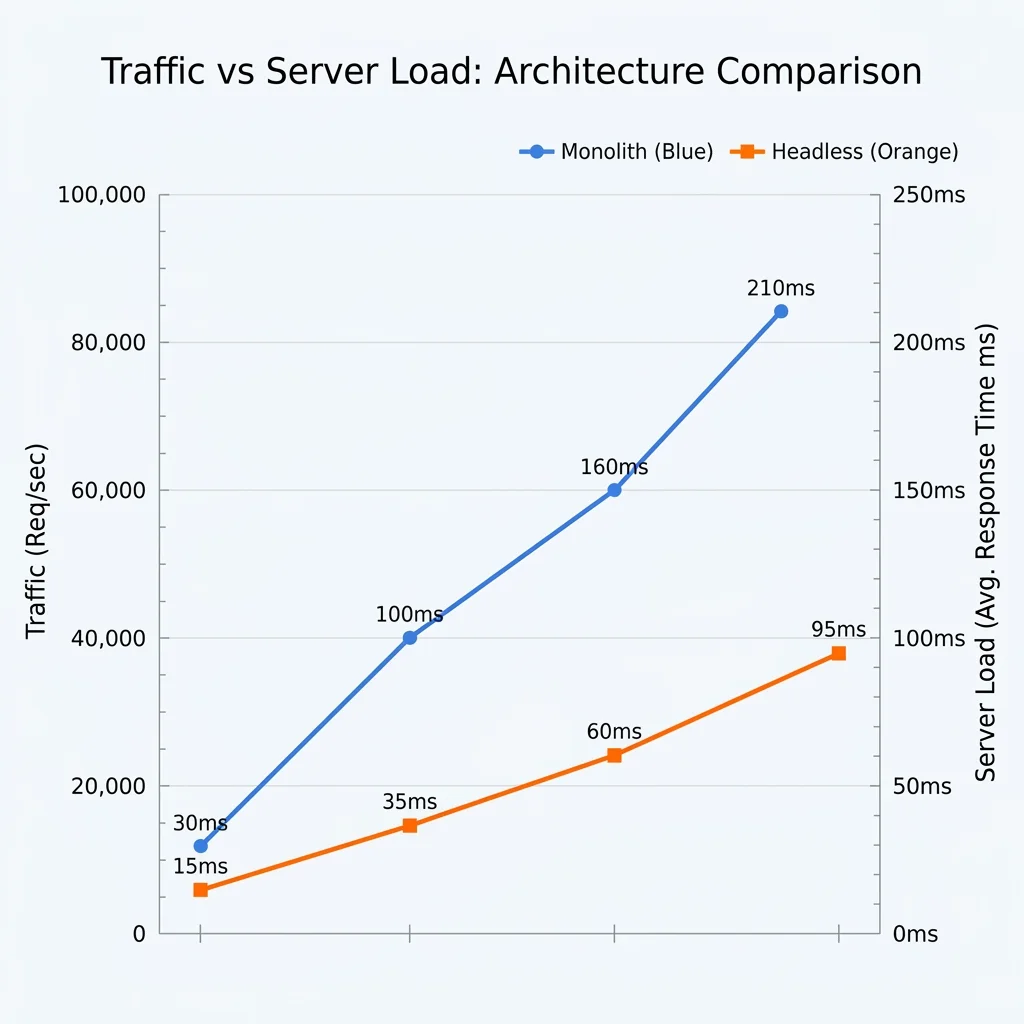
The Scaling Difference:
A headless architecture maintains a nearly flat server load curve even as traffic spikes exponentially. A headless backend delivering JSON via a global CDN can comfortably handle 80,000 requests per second with an average response time of 95ms. A traditional monolith collapses under 40,000 concurrent requests.
3. Omnichannel Deployment Metrics
The true ROI of a headless architecture is the ability to write content once and deploy it everywhere.
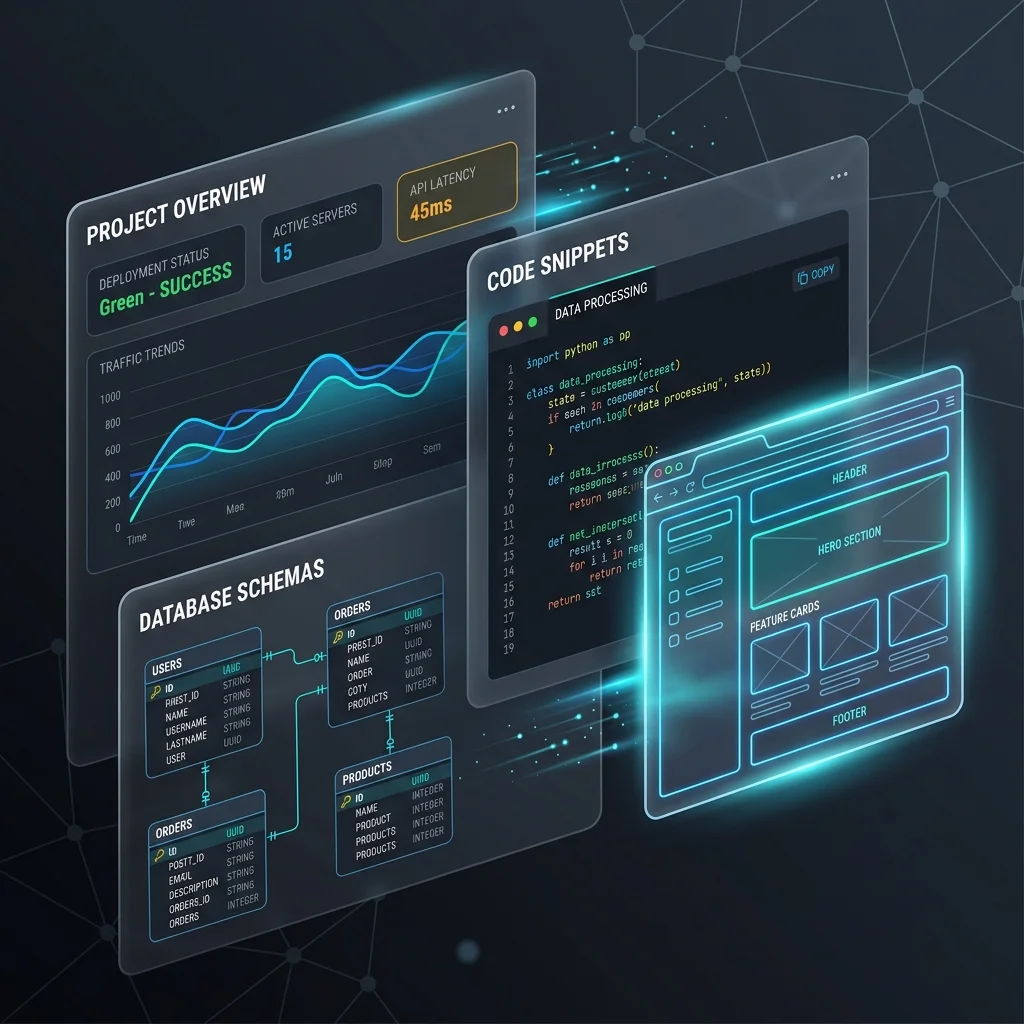
Time-to-Market Absolute Reductions:
- Deploying content to a Web App: Instant.
- Deploying identical content to a Mobile App: 0 additional hours.
Because the content is platform-agnostic JSON, your custom website development team and mobile app team draw from the exact same central repository, eliminating duplicate data entry.


